

Are you concerned about the high cost of heating your home this winter? Heating costs in Grand Forks are always going to be fairly high due to how cold our winters usually are. If your HVAC system is outdated or doesn’t work effectively, you could find yourself paying substantially more than necessary. The best way to avoid this is to know how much it should typically cost to heat your home and what steps you can take to ensure efficient heating performance throughout the winter.
Average Heating Costs in Grand Forks, ND
According to most estimates, the average annual heating costs in Grand Forks come to around $600 per household. Heating costs in our area can fluctuate quite a bit from one year to the next, depending on how cold the winter is and changes in utility rates.
Factors That Affect Your Heating Bill
A wide variety of factors play a role in how high or low your heating bills are. The most obvious one is what temperature you keep your thermostat set to. Two factors that have the biggest impact are the type of heating system you own and the type of energy it uses. In North Dakota, houses with natural gas heating, such as a furnace or a boiler, typically have the lowest heating costs. Heating a house with an electric furnace or electric baseboard heaters can sometimes cost about twice as much as natural gas heating. Homes with a propane furnace usually have the highest heating bills.
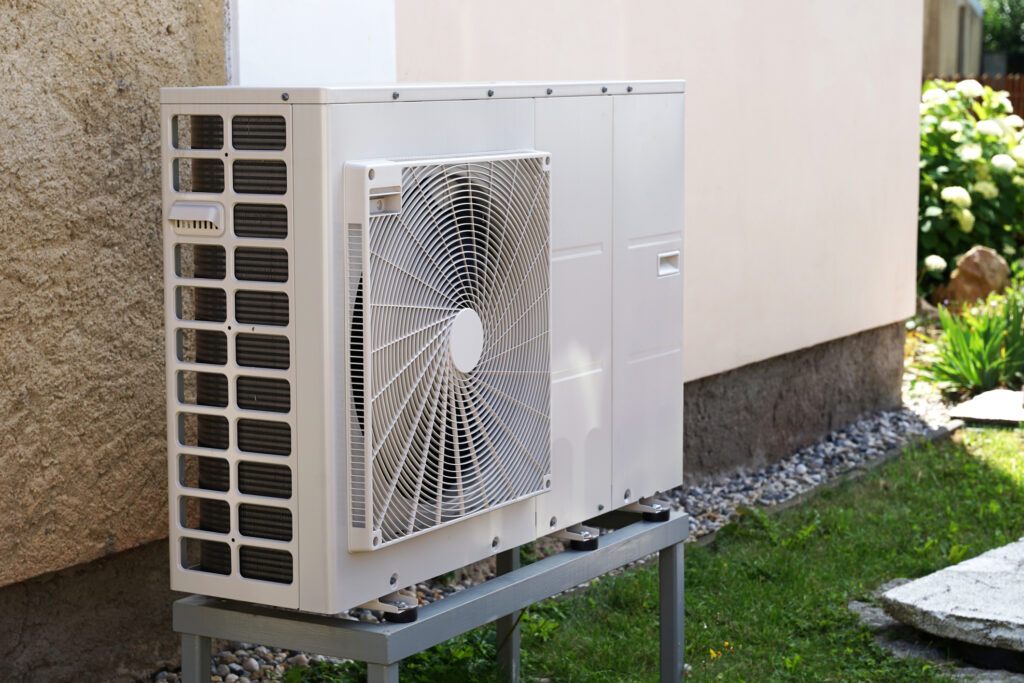
Although electric heat pumps are technically the most efficient heating option, heating a house in our region with a heat pump still typically costs a bit more compared to having a gas furnace or boiler. That’s mainly because heat pumps don’t work as effectively in cold weather and need to run much more. It’s also because natural gas rates are lower than electricity rates.
How efficient your heating system is also plays a crucial role. For instance, your heating bills will usually be anywhere from around 5% to 18% lower if you have a high-efficiency condensing furnace than they’d be with a conventional furnace. Both two-stage furnaces and modulating or variable-speed furnaces use much less energy than standard single-stage units.
Yet another factor is the age of your heating system. The majority of older heaters have at least some issues that lead to them not working as efficiently as they did when first installed. Old furnaces with a pilot light cost more to run due to the additional gas they use to keep the pilot flame lit.
The size, age, and condition of your house all have an impact on your heating bills as well. Bigger houses obviously require larger heating systems that use more energy and cost more to run. Older homes also often need a larger, more powerful heating system, as they can have numerous air leaks and insufficient insulation. Even something as seemingly inconsequential as ceiling height can impact how large your heating system needs to be and how much energy it consumes. High ceilings mean that there’s a larger volume of air that needs to be kept warm, resulting in you needing a larger system. Since heat naturally rises, your heater will also have to run more if you have high ceilings than it would if your ceilings were standard height.
How to Reduce Heating Costs in Grand Forks
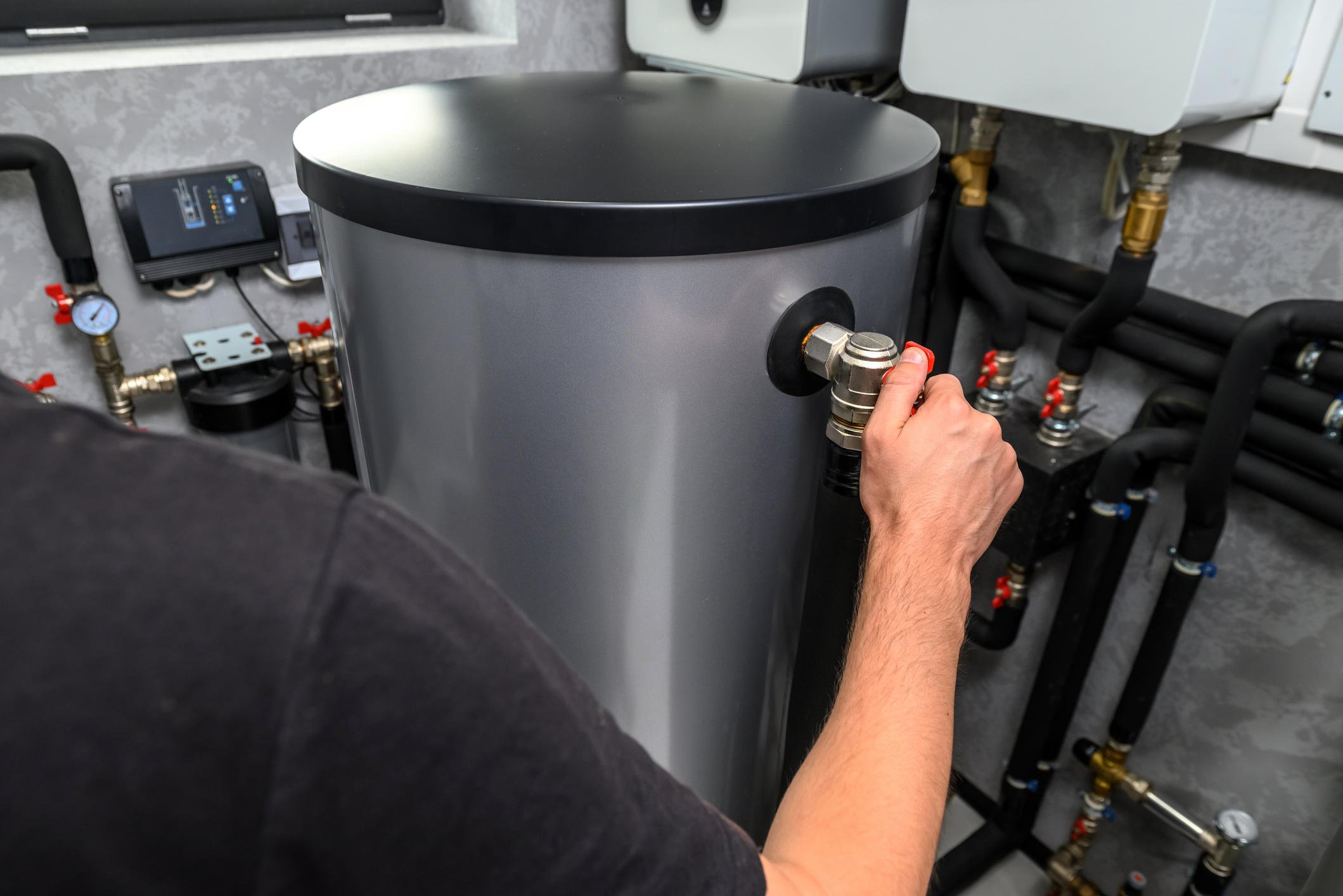
There are a number of things you can do to lower your heating costs or at least prevent them from being unnecessarily high. One step you should always take is to have your HVAC system serviced before the heating season arrives. Most estimates suggest that fall HVAC maintenance can reduce your heating costs for the year by anywhere from 5% to 20%. Professional maintenance and inspections are useful for identifying, overcoming, and preventing issues that can negatively impact heating efficiency. Annual tune-ups also have the benefit of helping to prevent breakdowns, reducing repair needs, and protecting the life of your heater.
Another thing you should do is continually monitor your heating system’s performance. Watching for signs that the unit isn’t working as effectively as usual or has any issues allows you to know if you need to call for a professional inspection. When a problem arises, getting it repaired as soon as possible helps prevent your heating bill from suddenly increasing.
Many homes have issues with leaky air ducts, which contribute to increased energy waste and higher heating costs. Having an HVAC company inspect your ductwork during your yearly maintenance service and making sure to have your ducts sealed every five to 10 years is important for avoiding leaks and keeping your heating costs down. You should also make sure that any ducts in the attic or crawl space are fully insulated. If not, your heating system will have to do much more work due to the air losing lots of heat as it travels through those ducts.
Replacing your old, outdated heating system with a new, high-efficiency unit can provide the greatest savings. This is especially true if you have a furnace, boiler, or heat pump that’s more than 12 to 15 years old.
We also recommend upgrading to a smart thermostat if you don’t already have one. Compared to a standard model, a smart thermostat will save you an average of around 8% to 12% on your annual heating (and air conditioning) bills.
Small Changes That Add Up
There are also some basic steps you can take to help your heating costs stay lower. One essential task is to regularly check your HVAC system’s air filter and change it as soon as it starts turning dark or looking dirty. If you have a reusable filter, you need to make sure to wash it regularly. You should never go for longer than 90 days without replacing or washing the air filter. During the middle of winter, when it’s much colder and your heater runs more often, you may want to change or wash the filter every month or two. Making sure the filter is clean ensures your HVAC system receives proper airflow and works as efficiently as possible.
Running any ceiling fans in the room you’re in can help as well. Having the fans spin in reverse pushes warm air near the ceiling downward. By using the fans to circulate warm air throughout the room, you can turn down the thermostat a bit without feeling too cold.
You should also make sure that you keep your thermostat set a few degrees lower at night and during the times of day when no one is home. If you set your thermostat even two or three degrees lower for eight hours at night and eight hours during the day, your heating bills should be 5% to 10% lower.
Heating Services from Bears Home Solutions
At Bears Home Solutions, we have the answers to all of your heating needs. We have decades of experience providing top-notch heating services in Grand Forks. Our team can ensure your year-round comfort. Our experienced technicians are experts at installing, servicing, and repairing furnaces, heat pumps, ductless mini-splits, and boilers. We also offer Aeroseal duct sealing, which can seal up any duct leaks from the inside without needing to cut into walls and ceilings. Enrolling in our Bear Care maintenance program is the easiest way to ensure your HVAC unit is in good condition and works efficiently. You’ll also receive other great benefits like discounted repairs and priority scheduling.
Lower Your Heating Bills With Us in Grand Forks
If you’re searching for ways to lower your heating bills this winter, we’re here to help. To schedule service in Grand Forks or learn more about the benefits of our maintenance plan, contact the pros at Bears Home Solutions today.