

The toilets in your Grand Forks, ND, home should be reliable and operate trouble-free for years. However, there’s one problem that almost every toilet experiences eventually. It’s a toilet that won’t stop running. There are several reasons why it might happen. However, even if it seems like no big deal, don’t ignore it. Here’s what you need to know about always-running toilets and what to do about them.
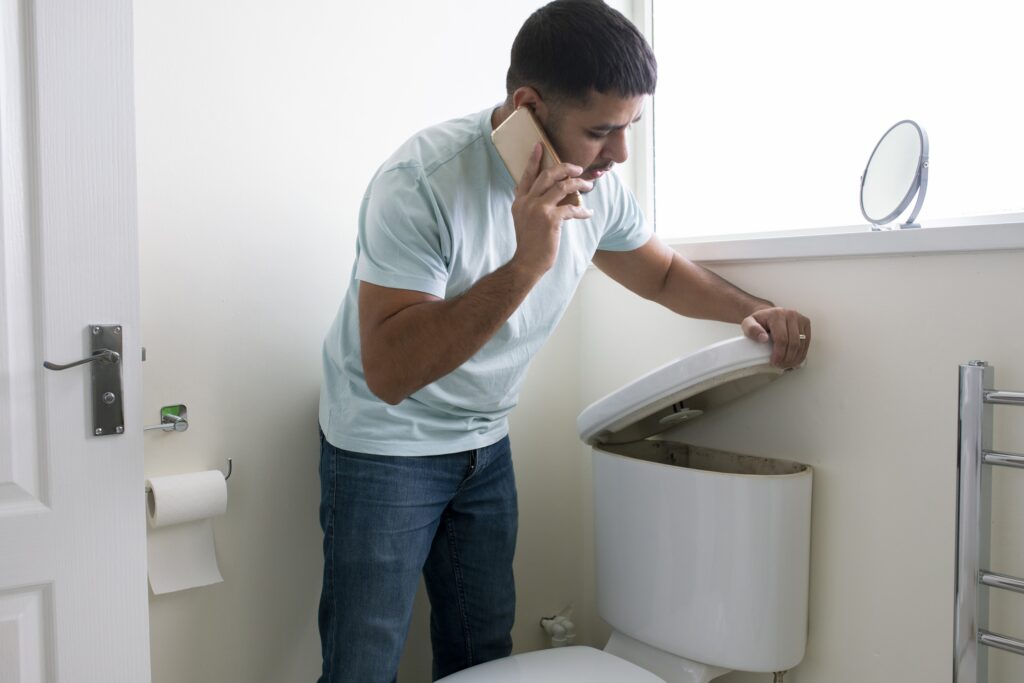
Why a Running Toilet Is a Bigger Problem Than It Seems
When your toilet keeps running between flushes, it’s tempting to ignore it. The problem often begins as a tiny trickle. However, it rarely stays that way for long. Before you know it, your toilet will make more noise and use more and more water. That can lead to skyrocketing water bills faster than you might imagine.
The Main Components Behind a Toilet’s Flush System
The average toilet features a straightforward flush mechanism. Its main components include:
- Flush handle and arm
- Fill valve
- Lower drain flapper
- Float and valve arm
When you push down on your toilet’s handle, the attached arm rises inside the toilet tank. The end of the arm attaches to the lower drain flapper via a chain. As it rises, the arm pulls the flapper up, opening the drain. The buoyancy of the flapper keeps it afloat. The stored water in the tank rushes into the toilet bowl, starting the flush. As the tank water level drops, the float on the valve arm lowers, opening the fill valve. It starts refilling the tank and sending water through the overflow tube to boost the flush. When the tank water level falls low enough, the flapper drops back into place, sealing the lower drain. Then, the tank refills until the float on the valve arm rises enough to close the fill valve.
Common Reasons Your Toilet Keeps Running
The simplicity of a toilet’s flush mechanism means there’s little that can go wrong with it. However, a few minor malfunctions can cause a toilet to run constantly. They include the following.
Worn or Leaky Flapper
If your toilet’s rubber flapper gets damaged or wears out, it may fail to seal the tank’s lower drain. That will allow a steady trickle of water to enter the bowl. The drop in tank water levels may force your toilet to run constantly in between flushes.
Chain Too Tight or Tangled
If the chain connecting the flush arm to the flapper tangles or isn’t long enough, your toilet may run constantly. This happens because the flapper can’t return to the closed position after a flush.
Faulty Fill Valve
A fill valve problem can cause your toilet to run constantly. It frequently results from a failing valve seal, which allows water through even after the valve closes. It may also happen if the valve body cracks or the valve arm gets stuck in the open position.
Water Level Set Too High
Another common cause of a constantly running toilet is an inappropriate water level setting. When the tank’s water level is set too high, excess water may enter the overflow tube. As a result, the water level may never reach the erroneous setting, leading to continuous filling.
Sediment or Mineral Buildup
If your home has hard water or water with high sediment levels, it can cause a continuously running toilet. Either can foul the flapper, preventing it from sealing the lower tank drain. Or sediment and mineral buildup can prevent the toilet’s fill valve from closing.
How to Fix a Running Toilet
There are only a small handful of ways you can fix a running toilet. Each one may address several issues. Depending on your toilet’s specific issue, use one of the following toilet repair tips.
Check and Replace the Flapper
If your toilet’s flapper is the cause of the problem, you can check and replace it. Look for signs of deterioration or mineral and sediment buildup. The flapper should appear smooth and fit into the drain precisely. If it doesn’t, replace it to stop your toilet from running.
Adjust the Float or Fill Valve
If your toilet’s fill valve never seems to close, try adjusting its float. Pushing upward on the float should close the valve. If it does, try bending the arm slightly downward. That will cause the float to exert more upward force on the valve, closing it. If your toilet’s valve has a float wrapped around its stem, it should have a clip or plastic screw that allows for fine adjustment.
Clean or Rebuild Internal Parts
A dirty or damaged fill valve seal is a common cause of a constantly running toilet. To replace a valve seal, you must shut off the water supply to your toilet. Then turn the valve cap counterclockwise to remove it. After pulling out the old seal and slipping a new one in its place, reassemble the valve, and secure the cap by rotating it clockwise. Then turn the water supply back on.
When to Call a Plumber
If you’re not confident about working on your toilet’s flush mechanism, let a plumber handle it. You may also want a plumber’s assistance if you can’t identify the exact cause of your toilet’s problem. A plumber can pinpoint the issue and fix it promptly, usually in a single visit.
Call Us for Fast Toilet Repairs
If you have a toilet in your Grand Forks home that won’t stop running, don’t ignore it. Our plumbers can solve your problem right away. Bears Home Solutions offers prompt and reasonably priced plumbing services. We’ve been a neighborhood staple since 1978. We offer emergency plumbing services if your toilet develops a problem that can’t wait. Call our team at Bears Home Solutions for the plumbing help you need in Grand Forks.
Frequently Asked Questions
Our plumbers know all there is to know about toilet flushing mechanisms. Here are some questions customers often ask about them, along with their answers.
How Much Water Does A Running Toilet Waste Each Day?
A toilet letting a tiny trickle of water past its flapper can waste 30 gallons a day. A toilet that’s slightly overtopping its overflow tube can waste 250 gallons a day. And if your toilet valve sticks in the open position, it can waste more than 4,000 gallons daily.
Can I Fix A Running Toilet Myself?
You may be able to fix a running toilet, but it’s always best to call a plumber. That ensures you get the problem solved on the first try. It also means you won’t take the chance of damaging your toilet further.
How Do I Know If The Flapper Or Fill Valve Is The Problem?
The easiest way to isolate the problem is to turn off the water supply to your toilet. If the water level in the tank drops after some time, you have a toilet flapper issue. If it doesn’t, suspect a fill valve problem.
When Should I Replace My Toilet Instead Of Repairing It?
If your toilet’s problem only involves part of its flushing mechanism, repair is an appropriate solution. However, if your toilet leaks or has damaged porcelain, you’ll need to replace it. There’s no way to repair cracks or physical damage to a porcelain toilet.